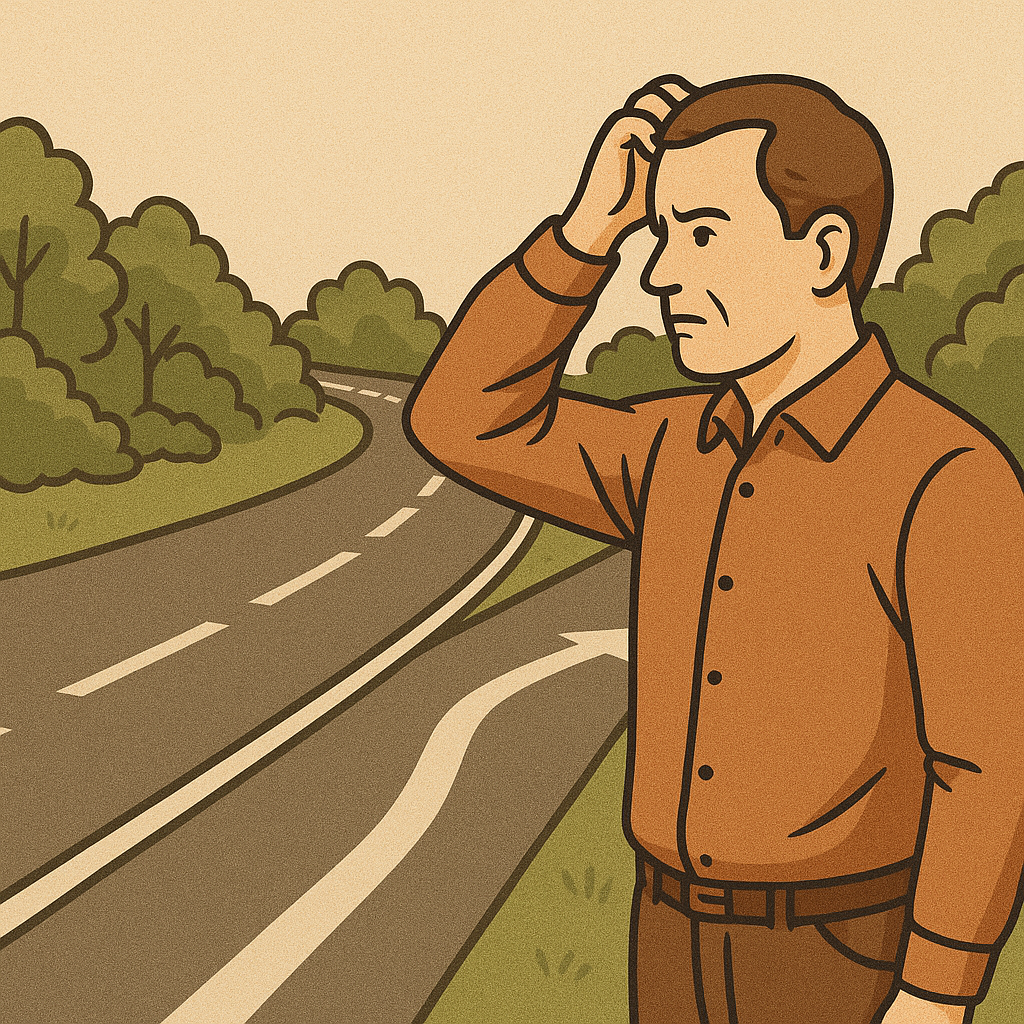
The common belief is that the only way to scale up the salary ladder is to change completely to a different occupation, to make a total vocational shift, or to join a training course that hardly find the time for. The reality is that getting into a lucrative lane is more like means aligned with your values but often far from dramatic. I spent a long time tearing my hair out because I failed to recognize that you could increase your income — a genuine salary increase — without having to burn your whole life down. Instead of being a newcomer, you might be able to be a second chance in a different lane and stay in the company you already know, still moving toward what many people would call a better job. An internal turn in your own field can work miracles, especially if you understand how a subtle career shift can still lead to high-paying jobs without a radical change.
Thus, I have prepared this detailed breakdown to show how I not only got on a path of higher earnings, increased my pay but also improved the quality of my work life — all without a complete overhaul. You can take it as a blueprint for all those who want more money, less stress, and a wiser career path Builder than a destabilizing one — a model of income without major change.
Knowing What a “Better-Paying Lane” Means
One means of better money is not always a whole different job role. It may be:
- a more specialized sub-role within your domain
- a lateral move into a function with higher pay
- a shift to a department with commissions or bonuses
- homework that rewards knowledge not duration
- going to employers who appreciate your skills more
This is the root of the income growth without life-altering changes. Changing lanes can let you discover new paths to success while keeping your past basically untouched; the future route is a high-paying, secure, and enjoyable work environment built on natural career growth rather than full reinvention.
Why Changing Lanes Is Better Than Starting Anew
Short learning curve – You don’t start from scratch.
Faster financial growth – You’re operating in a familiar place.
Lower risk – You keep the network you have built.
High confidence – You rely on what you do best not on your fears.
Work-life balance is the same – Reinventions usually come with huge sacrifices.
Lane switching, career upgrade, without full disruption — a classic example of a job lane switch that enhances professional development without causing instability.
Why People Remain Underpaid: The Comfort Zone Trap
Many bright people are misled because they think:
“That’s how everyone in the industry does it.”
“Everybody teaches the same way.”
“If I switch jobs I have to do entirely different things.”
“Only a few types of people get high-salary jobs.”

This misconception is the reason they stay underpaid even though they possess the abilities to change jobs and get higher salaries just for little effort.
Instead:
The fact is that in most fields, the better-paid jobs are located mostly in plain sight – jobs that require identical, but not equal, skills, and could easily become a new career path without dramatic professional change.
What Specifically Led to the Wind of Change
I haven’t carried out any dramatic career changes. Rather, I: learned the fact that some functions in my area paid higher, researched the skills that are a high income earner, oriented myself more towards a problem solver role, made a couple of changes that would help with my capabilities, and finally transferred to a lane with a more favorable rule of compensation — a type of job transition that supports both career advancement and higher salary.
Just one change was responsible for the permanent change in my earnings.
The Difference Between Changing Career and Lateral Move
| Action Type | What It Requires | Risk Level | Time to See Higher Income | Effect on Life Stability |
| Full Career Change | New training, new industry | High | Long-term | Major lifestyle impact |
| Lane Switch (Lateral or Specialized Move) | Applying your existing skills differently | Low–Medium | Fast | Minimal disruption |
| Career Upgrade Within Current Job | Asking for better responsibilities, bonuses, or routes | Low | Medium | Zero disruption |
Lane switching is the middle road – safe but profitable, a form of professional development that avoids income shocks.
How I Identified the Higher-Paying Lane
Everyone from every industry can find this route out with a straightforward three-step plan.
Step A – Check the Pay Patterns
Find the answers to:
- Who gets the most money in your field?
- Which jobs are high earners?
- Which staff are getting bonuses, incentives, or commissions?
- Which roles are the least demanding and command the highest salary?
Step B – Find the Overlaps with Your Current Skills
- Most people overlook that there are such a range of high-paid jobs that involve:
- Communication
- Problem-solving
- Reliability
- Decision-making
- technical knowledge
These are transferable without needing to go back to school for a degree — often enough to support a career shift without major sacrifices.
Step C – Figure Out the Gap Between You and the High-Paying Lane
- There are times the gap is just one small detail:
- a training course
- one new tool
- experience doing different types of work
- development of leadership skills
This is all it takes to turn “I need a reinvention” into “I’m 6 months away from a better-paying job” — true income without major change.
What a Better-Paying Lane Looks Like in Reality
The examples mentioned above are common in many industries:
A driver changing from local low-mileage routes to regional high-mileage routes
A mechanic going from generalist to diagnostic expert
A dispatcher who does fleet planning instead of procurement
A customer service representative who goes to account management
A retailer who switches to B2B sales
A technician that adds commission in his new role
A copywriter who switches to SEO content development
All of them are the lateral or almost lateral moves that become clear and more profitable with time — a natural path of career advancement leading to a higher salary.
Strategies that Increase Income Without Career Overhaul
| Strategy | Type of Change | Salary Impact | Difficulty |
| Switching to high-demand route types | Lateral | High | Low–Medium |
| Specializing in a profitable skill | Micro-upgrade | High | Medium |
| Moving to an employer with better pay scales | Lateral | Medium–High | Low |
| Adding a small passive income project | Side-lane | Low–Medium | Low |
| Accepting responsibilities tied to bonuses | Micro-upgrade | Medium | Low |
The Right Way to Prepare for a New Job without Quitting Everything
Increasing Skills
You are not expected to become another person but rather to be more valuable to others.

Positioning Yourself
Record:
- projects you have improved
- processes you have optimized
- results you have contributed to
- customer/manager feedback
Internal and External Opportunities
“Which lane in my company pays more?”
“Which competitor pays more for the same skill set?”
“Which role gives bonuses or performance-based rewards?”
Work-Time Life Balance Can Coexist with Making More Money
A smart move could equal less chaos and increase your income.
Examples:
- moving into a stable schedule
- switching to a route type without weekend work
- choosing a better employer with structured hours
- shifting to task-based work instead of time-based work
This is a definition of income without any big change and ensures your work life balance doesn’t collapse.
The Role of Passive Income and Side Projects
A second career is not a necessary requirement – you just need a secondary lane.
Passive income is an effective way of achieving financial freedom without replacing your primary job. It really is the quiet stabilizer of sorts: having just a small side project, a rental, or a tiny piece of digital income is enough at a slow time to provide you with a buffer, take away some of the financial worries you have, and let you arrive at better decisions for the long term. The secret is to pick a project that is simple and easy and does not consume your energy but helps to be in a better overall financial situation.
When to Know It’s Time to Move
Ask yourself:
Is my pay considerably less than others?
Has my position stopped growing?
Does my employer avoid salary discussions?
Am I not recognized for my valuable input?
Would a small change take me further to the high-paying lane?
The Evidence of a Higher Salary Without Big Career Change
Identify higher-paying sub-roles
Measure the skills gap
Upgrade strategically
Position yourself using evidence
Move to the better-paying lane
This is the formula behind earning more without uprooting your entire life.
Concluding Section – Your Lane Is More Spacious Than You Think
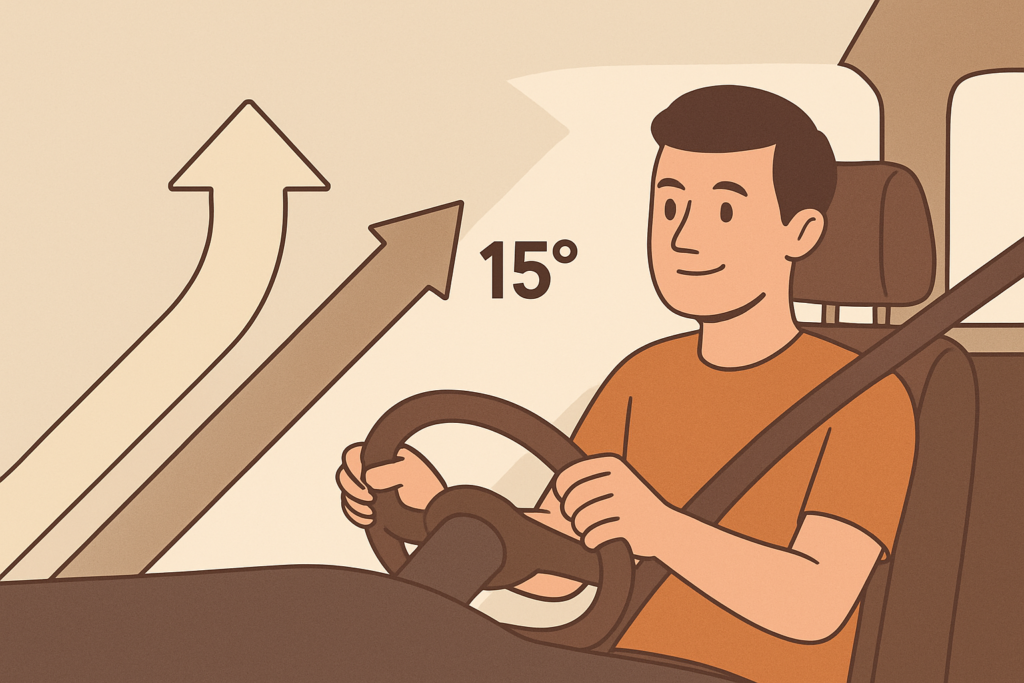
You don’t have to switch your career by 180°.
What you need is just a 15° lane adjustment to go in the direction of higher value.
By taking the next lane consciously, along with the job with the least amount of disruption that is based on your strengths, your goals, and your desire for increased income, you will notice a smoother professional change, more confident career advancement, and a stable path toward a higher salary — all achieved through income without major change rather than dramatic reinventions.
FAQ
1. Should I really go for complete career overhauling to increase my income?
Absolutely not. Lateral moves and specialization can lead to higher salary without full reinvention.
2. How could I figure out the branch in my area that is paid better?
Research salary patterns, job ads, and internal roles that receive bonuses.
3. Is a lane change dangerous?
It is one of the safest forms of job transition compared to starting a new career path.
4. Is it possible to increase income without compromising work-life balance?
Yes. Smart lane choices often improve work life balance.
5. What if I am not aware of the required skills for better-paying positions?
Observe promotion trends, skill requirements, and repeated patterns in high-paying roles.
6. Is it a lengthy process to see results?
Most people notice career growth and salary improvement within 3–6 months.
Leave a Reply